
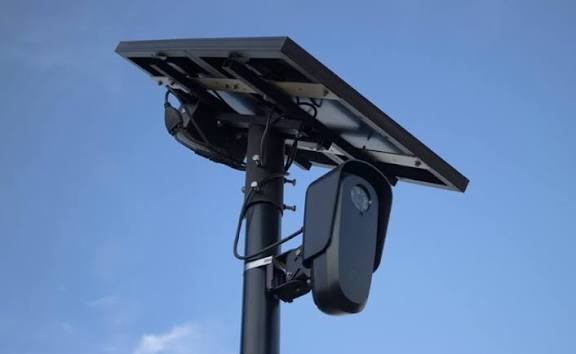
Flock Safety Automated License Plate Recognition (ALPR) cameras are rapidly being installed across neighborhoods, cities, and highways throughout the United States. Marketed as tools for public safety and crime prevention, these systems are designed to capture and store images of vehicle license plates as they pass by.
But what exactly do these systems do—and what does it mean for your privacy?
ALPR cameras work by continuously scanning passing vehicles and recording license plate numbers along with the time, date, and location of each scan. In many cases, they also capture images of the vehicle itself, including color, make, and distinguishing features.
Companies like Flock Safety promote these systems as a way to help law enforcement solve crimes more efficiently. Police departments can search databases of collected plate data to identify vehicles that may be linked to criminal investigations.
However, critics argue that these systems raise serious concerns about mass surveillance and civil liberties.
Unlike traditional investigative methods, ALPR systems can collect data on thousands of vehicles every day—most of which belong to law-abiding citizens. This means that your movements may be recorded and stored even if you are not suspected of any wrongdoing.
Concerns have also been raised about how long this data is stored, who has access to it, and how it may be shared between agencies or even private organizations.
In some cases, ALPR data has been used to track individuals’ movements over time, raising questions about potential misuse or abuse of the technology.
Supporters argue that ALPR systems can be effective tools in locating stolen vehicles, identifying suspects, and enhancing public safety. But opponents stress that without strong oversight and transparency, these systems risk becoming tools of widespread surveillance.
As ALPR technology continues to expand, it is important for the public to stay informed and understand how these systems operate.
Knowing your rights and staying aware of how your data may be collected is an important step in protecting your privacy in an increasingly monitored world.